

Offshore describes location, not quality
Offshore describes a gambling business based outside New Zealand or serving New Zealand customers through a foreign entity. The label does not prove that a site is fraudulent, well-run or locally regulated. An overseas licence sets obligations in its home jurisdiction; it does not automatically give a customer New Zealand protections or make local enforcement straightforward.
Several companies may appear in one casino journey: the brand owner, account operator, game supplier, identity-check provider, payment processor and hosting company. The address of a server or the nationality of a game studio does not identify the company that owes a withdrawal. The account terms should name that company and give its legal address and complaint route.
New Zealand’s Online Casino Gambling Act 2026 reaches operators outside the country when they enable a person in New Zealand to take part. A foreign location does not exempt a provider from the local licensing system when the service is directed to or available in this market.
New Zealand’s transition changes the status question
As at 26 October 2026, auction selection gives the right to apply, not a final New Zealand licence. Providers without an application must leave the market from 1 December; applicants awaiting a decision can rely on a temporary exemption, but cannot advertise to local customers.
For later dates and the full status sequence, use the article on legal status and the DIA’s player page. A casino badge is not the register; the licence-check procedure explains how to compare an official entry with a site.
Three separate checks for an offshore site
1. Who is the counterparty-
Find the company named in the terms for the player account. Match it with the privacy notice, cashier and regulator entry. If one company receives deposits while another is responsible for withdrawals, the relationship should be explained in writing.
2. What does the foreign licence cover-
Open the regulator’s own record. Confirm the company name, product, brand and domain. A licence for a software supplier or an unrelated group company does not automatically cover the casino page in front of you.
3. What New Zealand status applies-
Check the DIA record for the operator and brand, then compare the covered site with the browser domain. If no entry exists, use the current DIA transition notice and record its date rather than relying on the operator’s description.
A foreign regulator confirms only its own jurisdiction’s status. For a New Zealand domain-to-licence match, follow the step-by-step licence check.
Cross-border complaints can be difficult to pursue
If a withdrawal is delayed or an account is closed, the process may require a complaint to the casino first, then an escalation to the regulator named in its terms. A regulator can have authority over the operator while being located thousands of kilometres away, using a different language or requiring a specific form and deadline. A local court process may not be practical for a small disputed balance.
Before creating an account, locate the legal address, internal complaint steps, external regulator, governing-law clause and dispute forum. Read how a customer can submit documents and whether correspondence must go through the operator’s portal. Check if the terms allow account restrictions, bonus forfeiture or inactivity charges, and what evidence the operator must provide when it applies those rules.
New Zealand’s new online casino regime includes an operator complaint process and a route to the Secretary for Internal Affairs for covered operators. That local route is tied to the Act’s licensing and transition status. Do not assume it applies to every offshore platform merely because New Zealand customers can open a page there.
Protect payment and withdrawal records
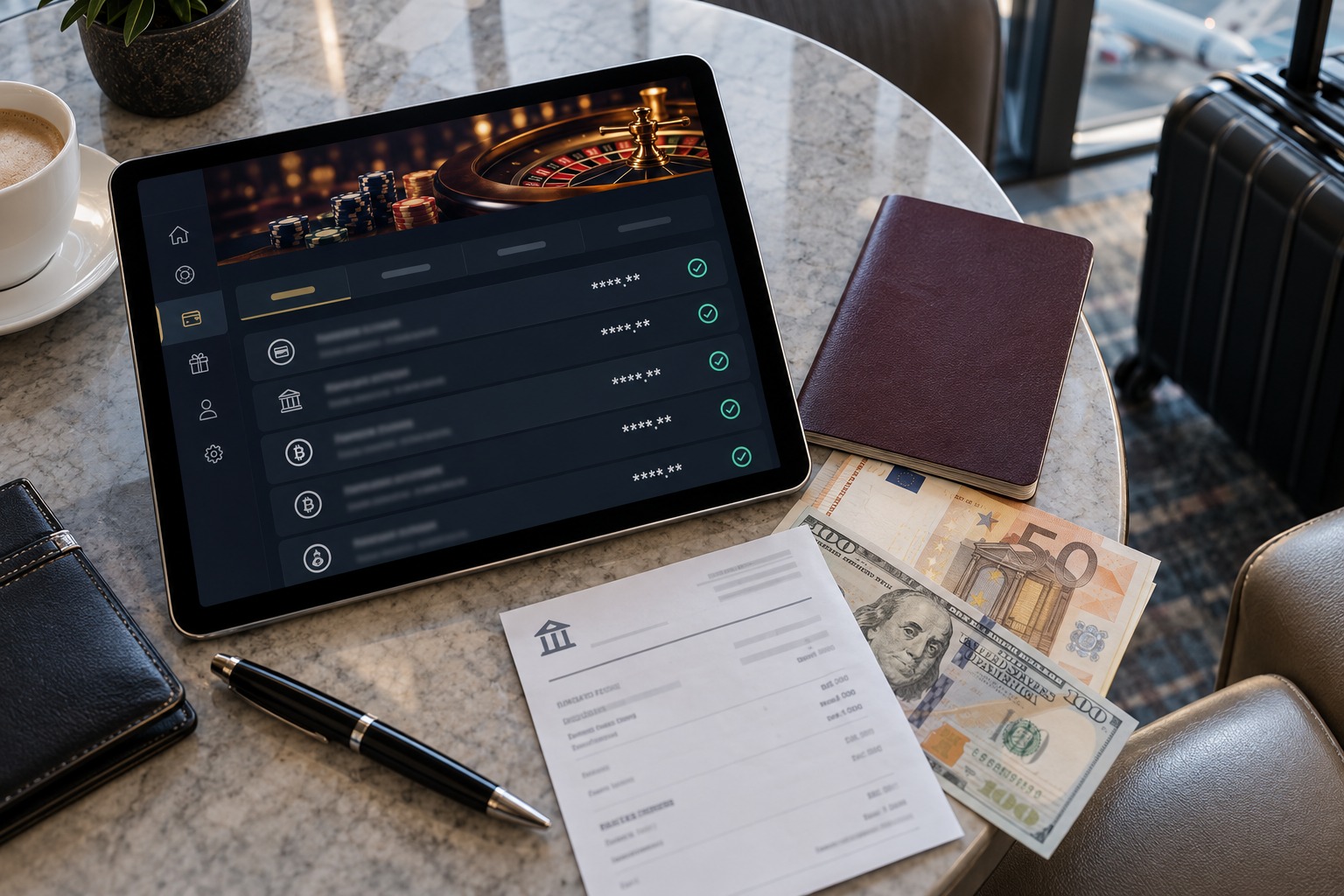
Cross-border transfers can involve exchange rates, intermediary fees, card merchant names and payment processors that do not match the casino brand. Check the cashier before approving a transaction. Use a payment method in your own name and keep the amount, currency, transaction ID, displayed merchant and date.
Make sure the withdrawal rules are visible before depositing. Record the minimum and maximum, processing stages, verification requirements, fee schedule and permitted destination. An operator that changes the payment route after a deposit should explain the change through its official account channel. A message that asks for a second transfer to a private bank account or cryptocurrency wallet needs independent verification.
A bank transfer or blockchain payment may be difficult to reverse once it reaches the recipient. Chargeback rights depend on the payment type and reason for dispute; they do not provide a general refund for a valid gambling transaction. Contact the bank quickly if a payment was unauthorised or made under a scam instruction.
Identity documents may cross borders too
An offshore operator may use a third-party identity vendor and store documents outside New Zealand. Check the privacy statement for the company collecting data, its purpose, its processors, its retention period and the route for a privacy request. Ask whether the same information is shared with the operator’s parent company or another regulator.
Submit identity documents only through a verified account route. A foreign licence does not authenticate a support agent or protect a customer from a cloned domain. Do not send a passport image, bank statement, password or one-time code to a person who contacted you through social media.
The Privacy Act 2020 applies to agencies within its scope, but the practical path for a complaint can be harder when a company and its data stores are overseas. Knowing the legal entity and privacy contact before an upload makes it easier to identify which organisation is responsible for the record.
Casino games are not the same as offshore sports betting
A menu that places casino games beside sports markets does not create one shared authorisation. A foreign casino licence does not cover the sportsbook. The article on New Zealand legal status explains the racing and sports betting boundary, including TAB NZ’s role.
Transition tasks for an existing account
Before a platform changes service to New Zealand, download account and transaction history, save the current terms, record any pending withdrawal and make a note of the operator’s legal name. Remove stored payment methods you no longer use. Confirm how an account can be closed and how uncommitted funds are returned if the provider exits the market.
Do not assume that a site will preserve access to records after a country restriction starts. A customer may need transaction dates and receipts to query a bank payment later. Save the relevant information securely rather than keeping identity documents in a shared download folder.
If a withdrawal is outstanding, use the official support route and keep the case number. A migration message can be genuine, but a fake operator can use the same moment to collect new passwords or request a “conversion deposit.” Verify a new domain from the DIA or the operator’s previously confirmed account page before signing in.
Signals that an offshore claim needs more scrutiny
- The terms name a company different from the one displayed in the licence badge.
- The regulator record covers a supplier but not the consumer-facing casino brand.
- The website asks for a payment to unlock, convert or migrate a balance.
- The complaint route exists only through a private message account.
- The privacy notice omits the data controller, retention period or privacy contact.
- The operator says “New Zealand licensed” but does not appear in the official DIA register.
- A single foreign badge is offered as proof for casino, lottery and sports betting products.
A missing detail does not establish fraud by itself, but it prevents a proper risk assessment. Treat an unresolved entity, payment or licensing mismatch as a reason not to send further information or funds until the official record is clear.
Account handover sheet for a market exit
- Brand, exact domain and the legal entity named in the account terms.
- Last visible balance, pending withdrawal amount and transaction references.
- Terms, privacy notice and cashier rules that applied to the account.
- Verified support channel, complaint case number and regulator named in the terms.
- Written explanation of how uncommitted funds will be returned and which payment route will be used.
Store the record outside the casino account and keep identity documents in a secure location. A new “migration” payment or a request to reveal a one-time code is not part of a normal account handover.