
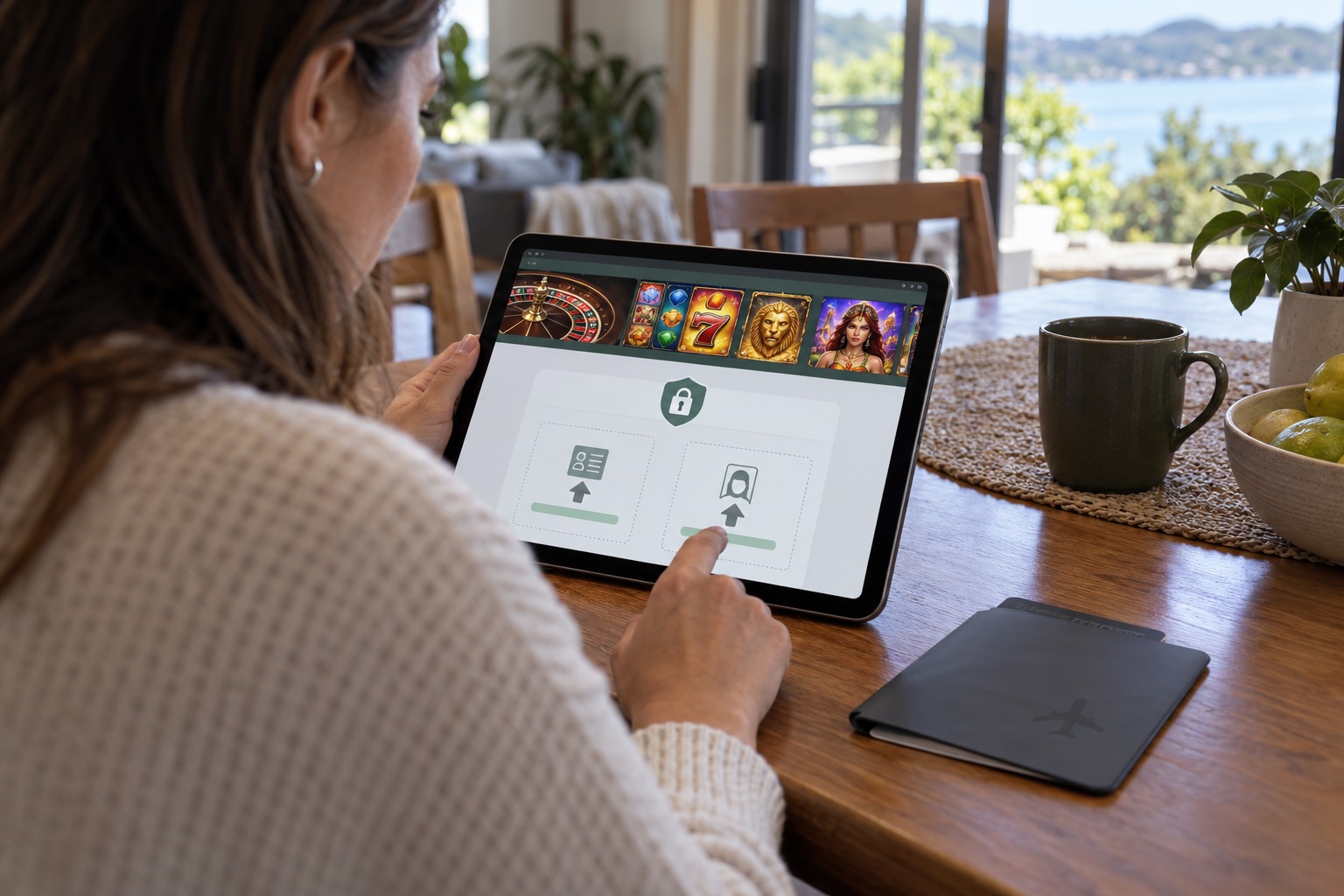
Map the information before sending it
| Data requested | Question to ask | Safer handling |
|---|---|---|
| Name, date of birth and address | Does the operator explain which account or legal requirement needs these details- | Use the verified account form; do not send them to a social-media support profile. |
| Passport, driver licence or other ID | Why is this document needed, what fields must be visible, and how is it stored- | Upload through the authenticated site after checking its exact domain. |
| Proof of address | Is the document recent, and can unrelated account numbers or household details be excluded- | Follow the operator’s instructions; do not alter an official ID unless the provider confirms what it accepts. |
| Card or bank proof | Which details are needed to verify ownership, and which must never be exposed- | Never provide a PIN, banking password, full security code or one-time login code. |
| Device, location or session data | Does the privacy statement explain collection, purpose, access and retention- | Review app permissions and sign out on devices you do not control. |
New Zealand’s licensed online casino framework includes identity collection and verification duties. That does not make every request from every website appropriate. The operator should identify itself and explain the purpose before asking for sensitive files. A real casino can request the same kind of document, but the document type does not authenticate a lookalike domain.
Verify the company before a document upload
Check the domain from a trusted bookmark or the regulator’s official register. Compare the operator’s legal name in the terms with the brand and site address. A new window that appears after a chat message, bonus offer or withdrawal warning may not belong to the company shown in the original page.
Do not use an email attachment or direct message to send an identity document unless the operator’s verified process explicitly requires that route. Prefer an authenticated upload page that shows the company name and confirms receipt. Avoid public computers and shared phones; remove a downloaded copy from a shared device when the upload is complete.
If a first-time support agent asks for a passport image before explaining the account issue, pause. Ask which information is required, which policy authorises the check and what secure upload method the operator uses. Support should not need a copy of a password, banking login, PIN or one-time code to confirm identity.
Read the privacy statement for answers, not just assurances
A short sentence saying “your information is secure” tells little about how it is used. Look for the operating company, categories of data, purposes, processors, storage locations, retention period, access controls, breach handling and a privacy contact. The statement should explain whether information is shared with identity-verification vendors, payment processors, group companies or regulators.
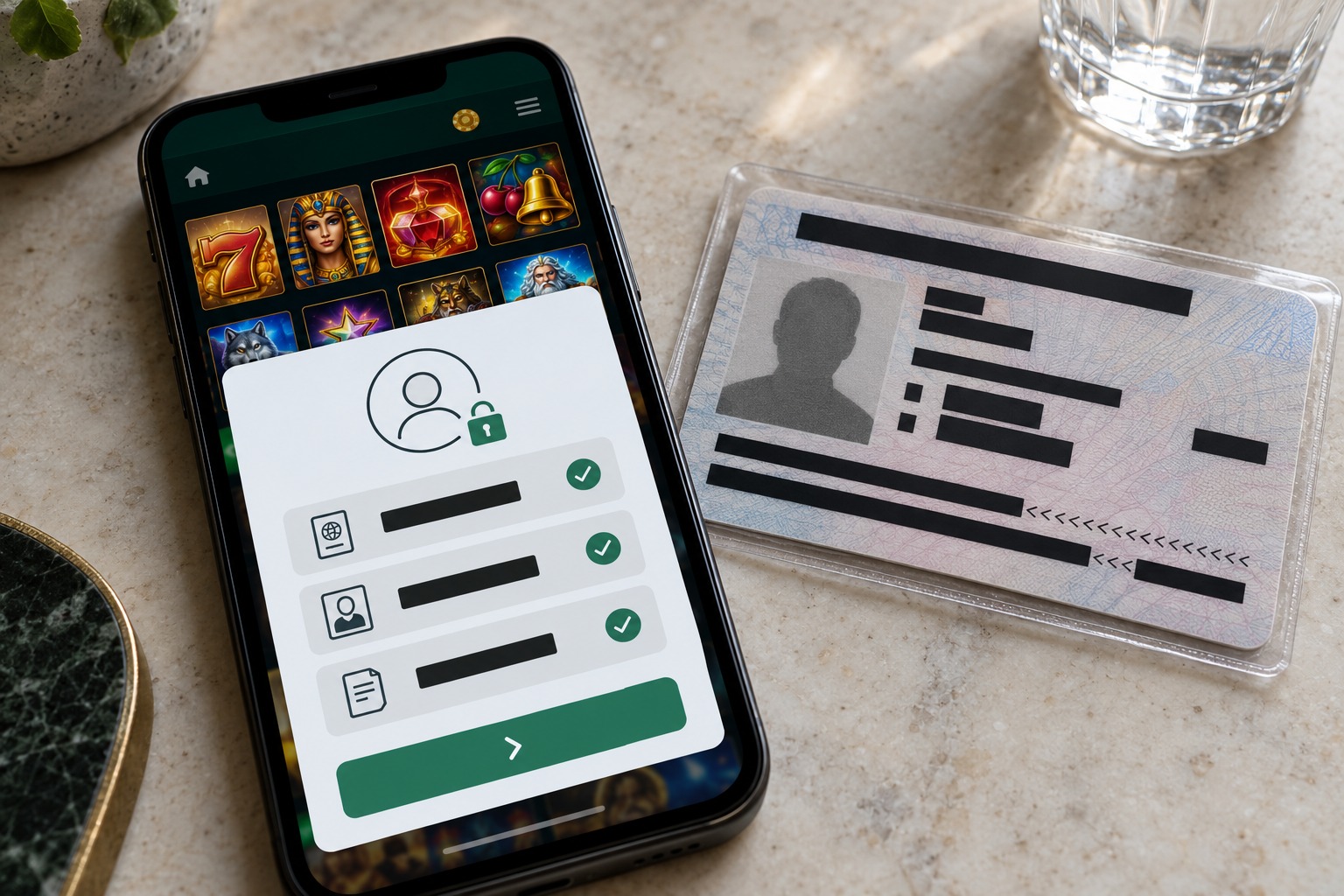
The New Zealand Privacy Commissioner says an agency should tell people why it collects personal information and how it will use it. It should collect only what is necessary for a lawful purpose and explain who can access the data. The Office of the Privacy Commissioner’s guidance on collecting personal information sets out those expectations in plain language.
Check whether the operator claims that it can retain documents after account closure, use data for marketing or transfer it overseas. A privacy statement that names a parent company but gives no local contact or workable request process leaves the customer with fewer practical options if a record is wrong or exposed.
Separate a legitimate check from over-collection
A casino may need to verify that an account belongs to an adult, that the payment method is controlled by the account holder or that a withdrawal is sent to the right person. The particular purpose matters. A request for a selfie video, several identity documents and a bank statement should come with an explanation of why the extra evidence is needed and how it will be handled.
Ask whether a less revealing document can satisfy the same verification step. Do not hide or edit information on an official document without checking the written instructions; a changed image may fail verification and can create a separate account problem. If a document includes unrelated information, ask what can be covered and keep the answer with the upload record.
For every file, keep a record of what was sent, to which company, on what date, through which domain and for what stated purpose. Store the record securely. Do not keep extra copies in a general downloads folder, a shared cloud link or an email thread that several people can access.
Understand New Zealand privacy rights and cross-border friction
The Privacy Act 2020 governs personal information handled by agencies that fall within its scope, including many businesses and organisations. The Act gives people rights to request access to their personal information and seek correction. A provider’s location, business activity and the route through which data is handled can affect the practical steps for exercising those rights.
An overseas operator may have privacy terms written for another jurisdiction and may store records in another country. That does not by itself settle whether New Zealand law applies. It can make it harder to identify the right regulator, serve a complaint or obtain a timely response. Check the company identity and privacy contact before opening an account. That lets you decide before handing over identity documents or payment details.
Keep copies of the privacy notice and terms that applied when data was collected. If a policy changes, compare the old and new purpose, retention and disclosure language. The Office of the Privacy Commissioner provides guidance for individuals and can explain the New Zealand complaint route when a privacy concern falls within its remit.
Reduce data exposure on your own devices
- Use a personal device with a screen lock and current software.
- Keep casino, email and banking passwords unique; enable multi-factor authentication.
- Do not upload identity documents over public Wi-Fi or a device controlled by someone else.
- Review photo and file permissions for casino apps and remove access the app does not need.
- Sign out after an upload and clear temporary copies from shared devices.
- Keep account alerts enabled so an unfamiliar email, phone or withdrawal method is visible.
These steps reduce accidental exposure but cannot control the operator’s storage, its contractors or its response to an incident. The operator’s data-handling rules and security controls govern what happens next.
Respond to a suspected data leak
Start by identifying what left your control. A leaked email address creates a different risk from a passport image combined with an address and date of birth. Save the breach notice or suspicious message and note which account or document it refers to. Avoid sending a second copy of the exposed material to an unverified person who offers to look into it.
- Change the password on the affected account and on any service where it was reused.
- Secure the email account and phone number that receive resets or verification codes.
- Tell the bank if payment details may have been exposed; ask about card replacement and transaction monitoring.
- Ask the operator what categories of information were involved, when the incident occurred and what safeguards it has taken.
- Keep case numbers, dates, the privacy notice and all messages in a secure folder.
- Use official New Zealand privacy or scam reporting channels when the operator’s response leaves a concern unresolved.
If a document was sent to a fake site, secure the accounts that use the same email or password and contact the bank if payment details were included. Netsafe’s online safety guidance recommends protecting accounts, checking the site address and contacting a bank when details may have been taken.
What a careful data request looks like
A clear request identifies the operator, says what account or transaction is being verified, lists each required document, explains how to upload it and gives a privacy contact. It distinguishes a mandatory identity check from optional marketing permissions. The request does not demand a password, full bank login, card PIN or text-message code.
A careful process also explains what happens if a document is rejected. The reason should point to a readable issue: an expired ID, a mismatch in the account name or an unreadable image, rather than demanding a new payment or directing the person to an unrelated file-sharing service. A valid identity check should not require the customer to transfer money to prove that a document is genuine.
When a casino requests information, compare the request with the privacy statement and the transaction at issue. If the explanation changes between pages or support agents, save the versions and ask the company to state the purpose and the secure submission route in one written reply.