
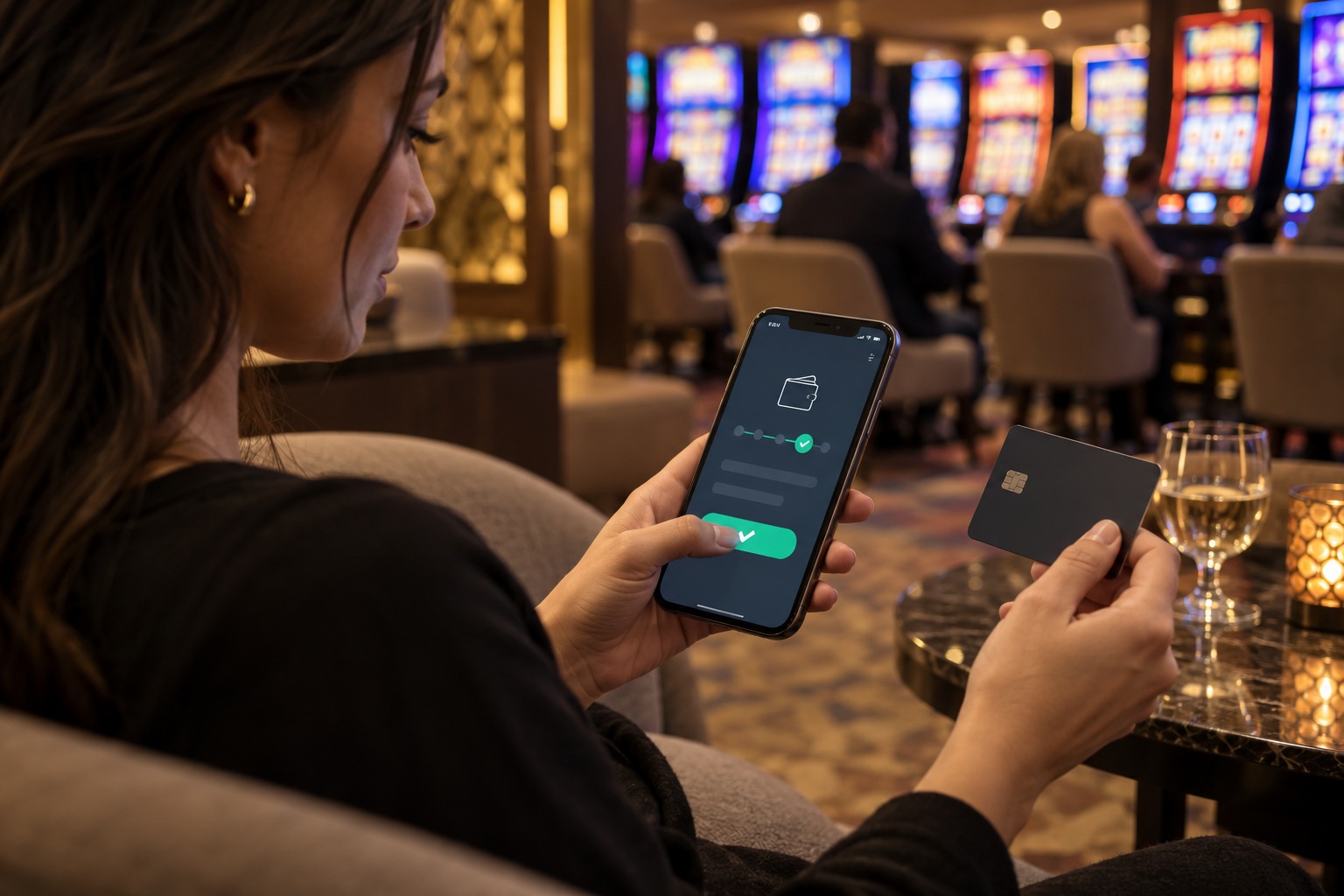
Compare the payment route before depositing
| Method | What it can offer | Risk or limit to check |
|---|---|---|
| Debit card | Direct access to funds in a bank account and a clear transaction record. | Dispute options depend on whether the payment was unauthorised, the bank’s terms and the operator’s status. A card transaction does not guarantee a refund. |
| Bank transfer | A traceable payment path through a bank account. | Transfers sent to the wrong recipient or made under pressure can be difficult to recover; confirm the payee name before approval. |
| Digital wallet | Can reduce the need to enter card details directly on the casino page. | Check the wallet’s rules for gambling transactions, fees, currency conversion and dispute eligibility; merchant protections do not automatically cover gambling. |
| Prepaid product | A fixed stored amount can limit the value exposed on that product. | Some prepaid products cannot be used for withdrawals. Fees and dispute options vary by issuer; check its terms before purchase. |
| Cryptocurrency | A transfer can be fast across a supported network. | There is no standard card chargeback for a blockchain transfer. A wrong address, fake cashier or stolen wallet may leave no practical recovery route. |
| Credit card or credit line | Can draw on borrowed funds rather than cash already available. | Borrowing adds cost and debt risk. New Zealand’s 2026 rules for licensed online casinos prohibit payment methods involving a credit contract, including credit cards. |
The table describes trade-offs, not a universal ranking. A service’s own terms determine whether it accepts a method, what protection is available and how withdrawals work. Acceptance alone does not identify the merchant or the company that holds the account relationship.
Start with the legal status of the site
Check whether the named operator and exact domain have New Zealand authorisation. An overseas licence, payment processor or bank account does not make the casino locally licensed. The DIA player page is the current status source; the full date-based transition sits in the article on legal status.
Payment safety depends on both the payment provider and the merchant. If the casino cannot identify its legal operator or the cashier changes to an unrelated company, do not enter payment details until the relationship is clear. A regulator entry and a secure connection answer different questions: one concerns authorisation, the other concerns data in transit.
New Zealand rules affect credit and account payments
The Online Casino Gambling Regulations 2026 prohibit a covered operator from accepting a payment method that involves a credit contract, with a credit card given as an example. The restriction applies to operators under the new Act; DIA is introducing the full local licensing system in stages. A credit card that appears in an offshore casino cashier during the transition does not show that the method will be accepted under the licensed New Zealand framework.
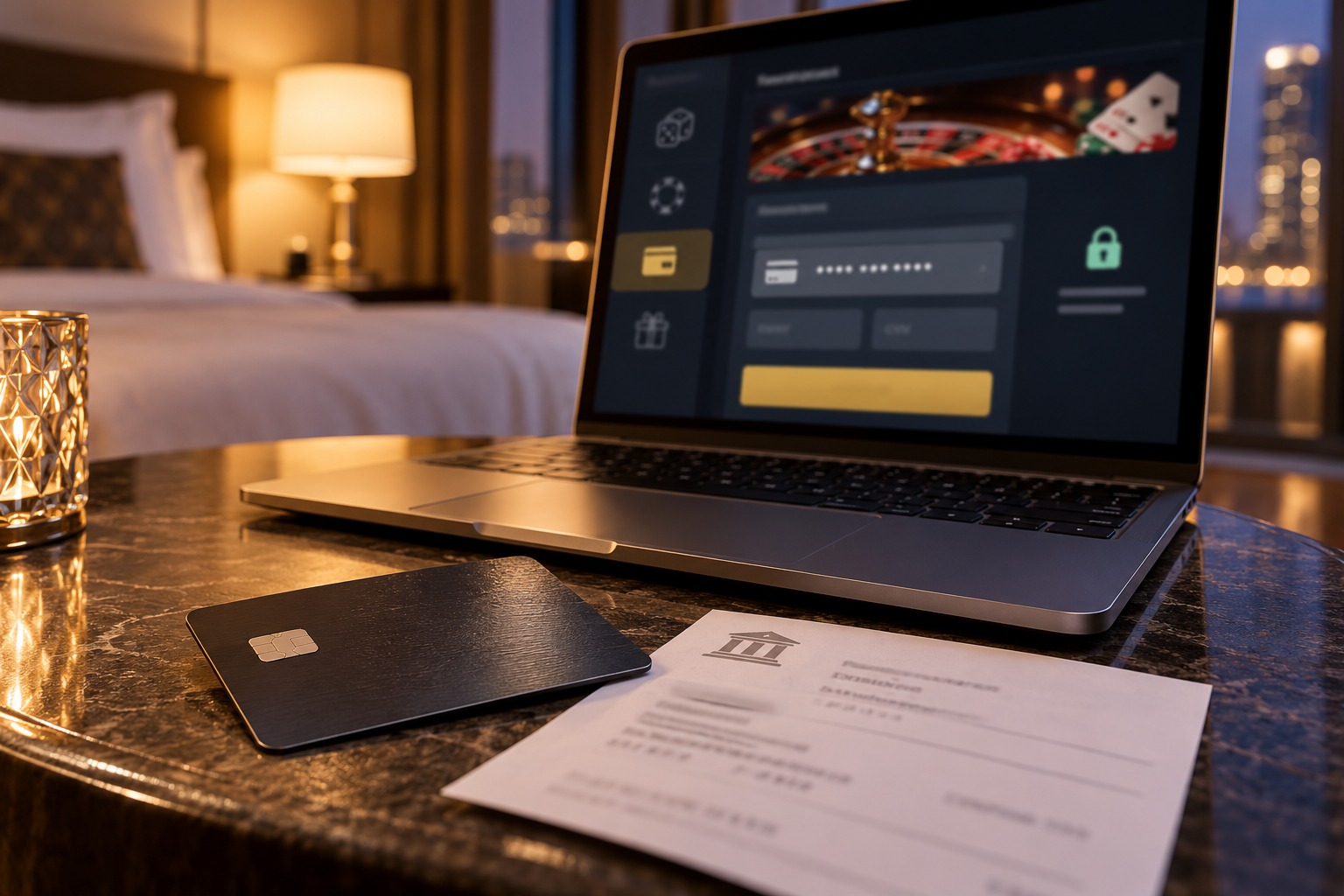
For the new regime, the regulations also limit each customer to one registered deposit method per gambling platform, prevent a change to that method for 24 hours after registration, and allow a separate withdrawal method. Licensed operators must keep uncommitted customer funds in a bank account separate from their other accounts. These requirements provide a useful way to read the cashier terms once the platform is subject to them.
A debit card and a credit card are not interchangeable from a consumer’s point of view. Check the account and payment provider terms for the actual source of funds; do not rely on a generic “card” label. Avoid cash advances, overdrafts and borrowing to fund play. A deposit limit does not change the cost of borrowed money.
Use a transaction path you can identify later
Before approving a payment, compare the merchant name, amount and currency shown by the bank or wallet with the casino cashier. A processor name can differ from a brand, but the terms should explain why. If a new payee appears only at the last step, pause and verify it through the casino’s official support channel opened separately from the payment window.
Use an account and payment method in your own name. A friend’s card or bank account creates ownership disputes, verification delays and risk for both people. Do not send money to an employee, influencer, “VIP manager” or player who claims to deposit on your behalf.
Keep the receipt, transaction ID, exchange rate, operator terms and confirmation email. Set bank notifications for card and account activity. Reconcile each casino transaction against your own budget rather than relying on an in-app balance alone; a displayed balance can include winnings or promotional funds with different withdrawal conditions.
Make the withdrawal route clear in advance
A safe deposit route should have a matching, documented exit route. Read the withdrawal minimum and maximum, processing stages, fees, conversion rate, verification documents and permitted destination. Find out whether the first withdrawal triggers additional identity checks and whether an uncommitted balance can be returned after account closure.
Some providers return funds through the original payment method; others allow a different verified route. New Zealand’s licensed framework allows an operator to accept a withdrawal method that differs from the deposit method. That does not remove identity checks or guarantee a specific processing time. The casino’s written policy should state how the destination is confirmed and how a failed transfer is handled.
Do not make a new deposit solely because a message says a withdrawal is “locked.” Check the account status and terms on the independently verified domain. If the request asks for cryptocurrency, gift cards or a transfer to a person, retain the message and ask the named operator to explain the fee in writing.
Chargebacks have a narrow job
A chargeback asks a card issuer to reverse a payment under the card scheme and account terms. New Zealand Consumer Protection says a person can request one through a bank; a mistaken debit or fraud provides the clearest basis. A chargeback is not a way to reverse a valid gambling loss because the player later regrets the stake.
Wallet protections also have conditions. A “buyer protection” label may cover goods or marketplace sales while excluding gambling, cash-like transfers, or payments to a particular merchant category. Read the provider’s current terms or ask the provider directly before assuming a dispute route applies.
For an unauthorised transaction, notify the bank or card issuer promptly through a published channel. Ask whether it can stop a pending payment, block the card, dispute a completed transaction or secure the account. The New Zealand scam guidance explains why speed and payment type affect recovery prospects.
Protect the cashier session
- Use a private device with current software and a trusted connection.
- Open the cashier from the verified casino account, not a message link.
- Check the full web address and payment amount before entering a code.
- Never disclose bank login details, card PINs or one-time passcodes to support.
- Do not save payment details on a site whose operator and payment processor are unclear.
- Sign out after the transaction on a shared device and close the payment window.
HTTPS encrypts the connection but does not confirm the merchant is genuine. A fake cashier can copy the correct logo while collecting card data. Check the domain first, then confirm that the payment page appears through the casino’s normal account flow.
When a payment looks wrong
Stop before approving a second attempt. Compare the bank statement with the casino account and save the time, displayed merchant, currency, amount and any error message. A duplicate pending authorisation can appear different from a completed charge, so ask the bank to explain the transaction state before trying another method.
If the merchant is unfamiliar, the amount is incorrect or a payment occurred without your approval, contact the bank or card issuer through its official app or published number. Freeze or replace the payment instrument if advised, change exposed account credentials and review recent withdrawals. Report a suspected casino impersonation to the real operator through a verified route.
Keep the support response, case number and terms in one folder. If the operator denies a withdrawal or says a new fee is required, compare that explanation with the policy that applied when the deposit was made. The written record helps separate a banking issue from a casino account dispute.
Payment record to keep
- Merchant
- Casino brand, legal operator and name shown by the bank or wallet.
- Transaction
- Date, New Zealand dollar amount, transaction ID and currency conversion.
- Cashier rule
- Deposit method, withdrawal method, fees, verification requirements and account terms version.
- Bank response
- Dispute case number, card freeze or replacement details and any instructions from the payment provider.
- Withdrawal
- Request date, amount, destination, status and the operator’s written explanation for any delay.